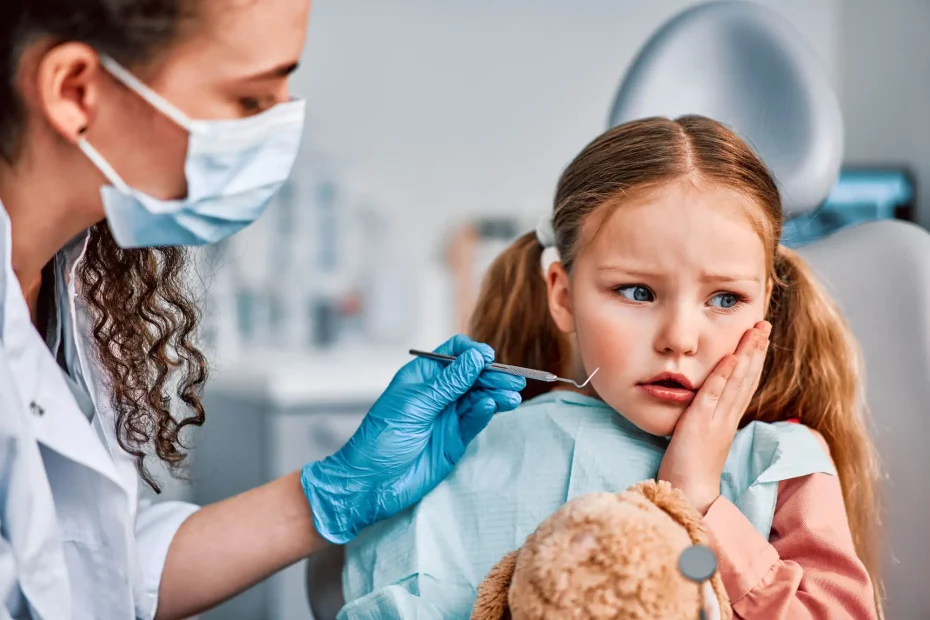
Orthodontics in Kailua is much more than achieving a more attractive smile. Straighter teeth are the first step into a life of better oral health for your child, helping prevent tooth decay, gum disease, and other jaw-related issues.
The benefits of orthodontics are widespread and well-documented, but are you aware of the risks your child faces by avoiding treatment?

What Is Malocclusion?
Malocclusion is a dental condition where your child’s upper and lower teeth don’t align properly when their mouth is closed. There are several types of malocclusion, including overbites, underbites, and crossbites. Each has its own set of characteristics and potential consequences for your child’s development. Orthodontic treatments such as braces or clear aligners are common solutions, and oral surgery may be required in severe cases.
While many parents seek orthodontic treatment to help their child achieve a straighter smile, the health implications of untreated misalignment go far beyond aesthetics. If you’re delaying or avoiding orthodontic care—whether due to cost, inconvenience, or concerns about your child’s comfort—it’s important to understand what risks they may face.
From long-term dental issues to chronic discomfort and even self-esteem problems during crucial developmental years, misaligned teeth can impact nearly every aspect of your child’s oral and overall health.
1. Higher Risk of Tooth Decay and Gum Disease
Crooked teeth retain food particles and plaque, making cleaning more difficult for children. This is one of the most obvious and dangerous effects of crooked teeth.
Misaligned teeth frequently produce small, uncomfortable areas that are difficult for toothbrushes and floss to reach. This causes plaque and tartar to accumulate over time, raising your child’s risk of cavities, gingivitis, and periodontal (gum) disease.
Even children who are diligent about brushing and flossing find it difficult to maintain a truly clean mouth when dealing with crowded or misaligned teeth. Early gum disease can set the stage for more serious oral health problems as your child grows into adulthood.
2. Abnormal Wear and Tear on Growing Teeth
Your child’s teeth are made to fit together in a particular manner. When they don’t align properly, some teeth may take on more force than they’re meant to, especially during your child’s active years of eating, talking, and sometimes grinding their teeth during sleep. This can lead to:
- Excessive wear
- Chipping or cracking
- Enamel erosion
Eventually, this uneven pressure may weaken teeth, leaving them more vulnerable to decay and damage as they grow older. Additionally, it shortens the lifespan of dental work your child may need in the future, such as crowns, bridges, and fillings.
3. Jaw Pain and TMJ Disorders
Misalignment doesn’t just affect your child’s teeth but also the temporomandibular joint (TMJ). When their bite is off, their jaw may work harder or shift into unnatural positions to compensate.
This may result in soreness or pain in the jaw, which may develop into chronic headaches, shoulder and neck pain, and trouble speaking or chewing. For school-age children, these symptoms can affect concentration, participation in sports, and overall quality of life.
It is crucial to act quickly because these symptoms have the potential to worsen over time and become TMJ disorder. This painful disorder becomes increasingly difficult to treat as your child gets older.
4. Difficulty Chewing and Digestive Issues
How you bite and chew food is crucial for digestion; crooked or misaligned teeth can impact this process.
When children don’t properly chew food, they may swallow larger, less processed pieces, which puts more strain on the digestive system. This can result in indigestion, upset stomach, and inadequate nutrient absorption.
In extreme situations, misalignment may even cause discomfort during eating, leading to your child avoiding particular foods and potentially affecting their overall nutrition and growth.
5. Speech Development and Communication Challenges
Your child’s teeth influence how they say words. They may have trouble speaking clearly if their teeth are not in alignment.
Misalignment can cause mumbling, lisps, and trouble pronouncing specific sounds. Untreated orthodontic issues may affect language development, classroom participation, and confidence in children.
6. Lower Self-Esteem and Social Impact
Let’s not ignore the psychological effects. Kids with visibly crooked teeth often feel self-conscious about their smiles. They may avoid smiling or laughing in public, feel reluctant to smile in photos, and experience social anxiety or lowered confidence in school or social settings.
This may eventually impact relationships, personal growth, and general mental health. Not only does straightening their teeth improve appearance, but it can also boost their self-esteem and self-confidence.
7. Expensive and Complicated Future Treatments
The cost and complexity of future problem-solving may be one of the most underappreciated effects of skipping orthodontic treatment.
If a misaligned bite isn’t fixed during childhood, it can cause more serious dental damage that calls for extractions, crowns, root canals, or implants in their adult years. TMJ disorders or jaw pain may necessitate long-term medication, surgery, or physical therapy.
Orthodontic problems in children usually get worse over time rather than getting better on their own. What might have been solved with braces or clear aligners earlier in life could become a more invasive and expensive problem later.
8. Impact on Sleep and Breathing
In some cases, dental misalignment—especially with the jaws—can contribute to sleep-disordered breathing, including obstructive sleep apnea.
Crowded or poorly aligned teeth may indicate narrow dental arches or airway obstruction. These issues can impact your child’s ability to breathe normally during sleep, leading to snoring, daytime fatigue, difficulty concentrating in school, and behavioral issues.
Orthodontic treatment, especially when paired with airway-focused care, can improve your child’s sleep quality and overall health.
Why You Shouldn’t Put Off Your Child’s Orthodontic Treatment
Choosing not to treat your child’s misaligned teeth is more than just a cosmetic decision—it’s a health decision with far-reaching consequences. From tooth decay and jaw pain to speech issues and self-esteem struggles, the effects of malocclusion can disrupt your child’s daily life in unexpected ways.
We understand the concerns many parents have about orthodontic treatment for their children. Braces can be uncomfortable, especially after adjustments; dietary restrictions are hard to follow, and keeping optimal oral hygiene can be challenging. Nowadays, many resources are available to help you and your child ensure the success of their treatment.
Do you need help motivating your child about orthodontic treatment? Contact a pediatric orthodontist and let our child-friendly experts explain the benefits of straighter teeth in terms your child can understand and get excited about.
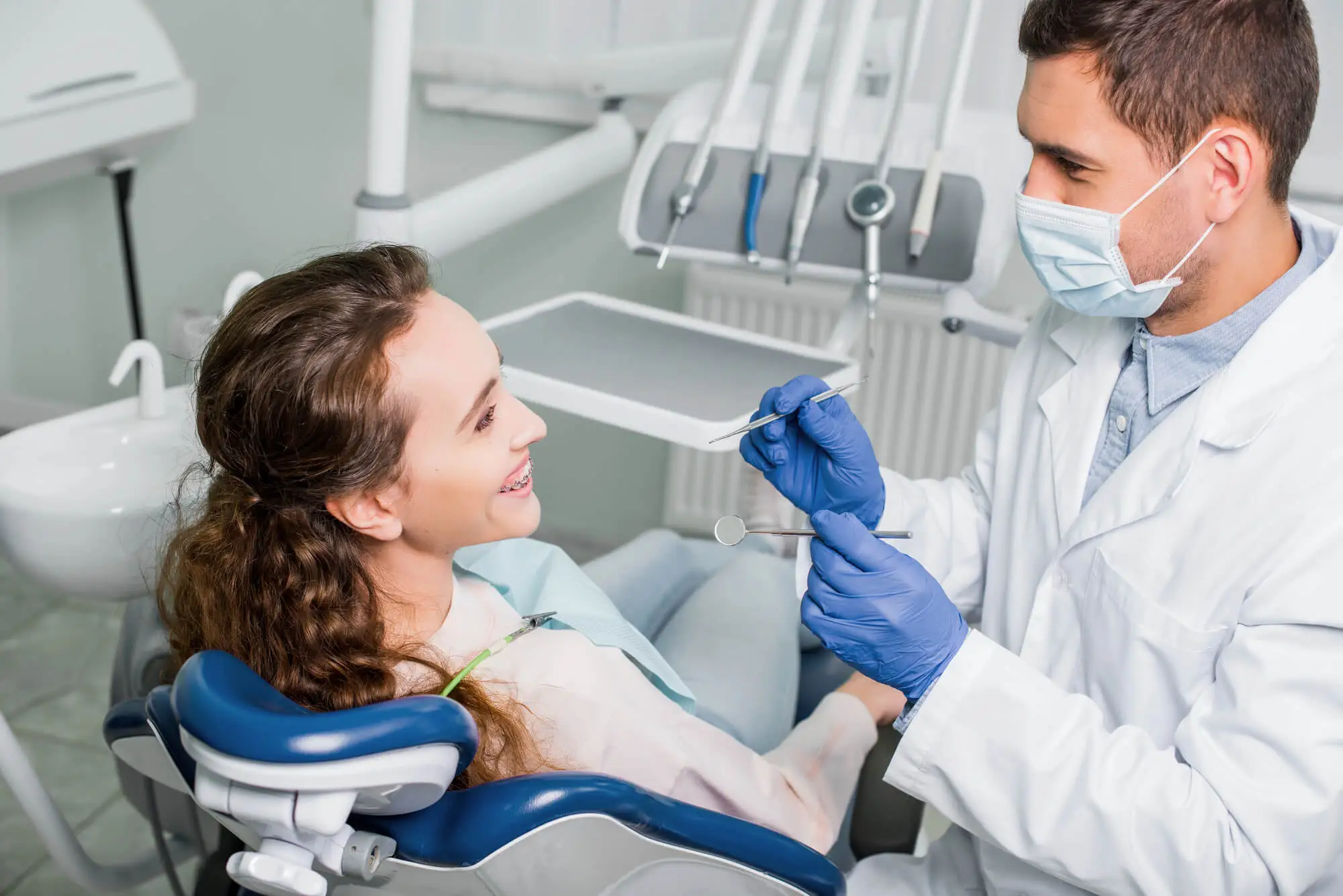
Understand the Importance of Orthodontics in Kailua for Your Child
Whether through traditional braces, clear aligners, or other modern solutions designed with children in mind, orthodontic treatment isn’t just about perfect smiles—it’s about protecting your child’s long-term dental and overall health during their most important developmental years.
Don’t put it off if you or your child needs orthodontic care. The earlier you intervene, the easier and more effective the treatment will be. Contact KidShine Dental & Orthodontics today!