
Braces are a proven solution to misaligned teeth, resulting in a straighter and healthier smile. Sadly, they’re also a long, uncomfortable, and challenging treatment—even an expert in pediatric orthodontics in Lihue can admit that. The brackets and wires can be hard to clean, they come with dietary restrictions, and the discomfort after adjustments can be truly overbearing.
When a child is halfway through orthodontic treatment, all of these issues can feel like too much. Luckily, there are certain things you can do to keep them motivated.

The Importance of Braces to Oral Health
Halfway through the braces process, it’s common for parents to feel like giving up. Be it your child’s constant discomfort or the extra work of keeping up with their dietary restrictions, even the strongest can falter at these crossroads.
Sadly, stopping a braces treatment halfway often undoes all the work you’ve already put in, resulting in wasted efforts and money. To avoid that, we always recommend going over the benefits of braces to your child’s health—and remembering why you’re doing this.
- Teeth that are crowded or crooked are more difficult to clean, which raises the risk of gum disease, tooth decay, and other oral health problems. Braces lower the risk of dental problems and make maintaining good oral hygiene easier by straightening teeth.
- Overbite, underbite, crossbite, and open bite are among the problems that can lead to excessive tooth wear, speech problems, and difficulty chewing. Braces help to correct the bite and stop future dental issues by properly aligning the jaws and teeth.
- A misaligned jaw or teeth can make it difficult to speak clearly. Braces can help address these problems and enhance speech patterns, resulting in more confident and clear communication.
How Do I Motivate My Child to Complete Their Braces Journey?
Braces can improve your child’s smile in several ways. You may be thinking, “I already know that, but how do I transmit that to my child?” Even with the benefits of braces, children may feel tired and reluctant to continue wearing their appliance one year into the treatment, tired of the struggles that come with them.
To keep them motivated after reaching the one-year mark, we suggest the following tips:
1. Help Them See the Big Picture
Children and teenagers tend to live in the present. After a year of wearing braces, the everyday pain and inconvenience may overpower the long-term objective, making them more prone to noncompliance and carelessness with their brace care.
When this happens, you can gently remind your child why they’re doing this, how a straight smile helps with chewing, speech, and oral hygiene, and that it can improve their confidence in the long term. Remind them that the results will last a lifetime.
If you or someone they know had braces, ask them to share their personal story for added perspective.
2. Celebrate Visible Progress
Around the one-year mark, changes in your child’s teeth should be noticeable. However, it’s easy for them to miss them if they’re the ones experiencing them.
That’s why it’s your job to point them out, like:
- “Look how much straighter your front teeth are!”
- “That gap used to be much bigger—look at it now!”
You can ask for photos from the beginning of their journey at the orthodontist and compare them to reinforce possible progress. Seeing how far they’ve come can be incredibly motivating.
3. Set Small, Achievable Goals
Long treatment plans can feel overwhelming, so try to set shorter milestones to look out for, like going a full month without a broken bracket, remembering to wear rubber bands every day for two weeks, or flossing consistently for one week straight.
Give them something small but meaningful to celebrate their progress, like extra screen time, a movie night, or a trip to their favorite smoothie shop. These little rewards keep things entertaining and help your child feel like they’ve accomplished something.

4. Make Braces Care a Routine, Not a Chore
After a year, the braces-care regimen may become sloppy, especially if the child is losing motivation. Assist your child in developing an easier-to-follow system by keeping floss threaders or water flossers in easy-to-reach places or setting reminders for rubber bands.
You can also try letting them choose their orthodontic supplies in fun colors or designs to give them more ownership of the process.
5. Schedule a Chat With the Orthodontist
Hearing from a professional can reinforce the importance of staying on track. A quick, supportive conversation with the orthodontist can answer your child’s questions and clarify what’s left in the treatment timeline.
Sometimes, hearing the same message from someone other than a parent makes it stick better.
6. Reinforce the Consequences of Poor Compliance
Sometimes a drop in motivation means less care: skipping rubber bands, snacking on hard foods, or slacking on brushing. Without being harsh, explain that these choices do more harm than good.
Broken brackets or tooth decay mean longer treatment times, extra appointments for repairs, and could even cause permanent marks on their teeth after the braces come off. Frame it not as a punishment but as a consequence they have the power to avoid.
Why It’s Better to Get Braces During Childhood
If your young child is struggling with braces, you may consider delaying the treatment until they’re older. While this can be a solution in some cases, getting braces between the ages of 10 and 14 ensures the best possible outcome.
Their permanent teeth are fully developed at this age range, but their jaws are still growing. This is an ideal window for orthodontic treatment, as it allows for easier correction of alignment issues. Some of the benefits of early intervention include:
- Shorter treatment times as teeth and jaws are easier to adjust during growth.
- Improved oral health by addressing bite and alignment issues early.
- Boosted confidence with a straighter smile during adolescence.
- Reduced risk of tooth damage, wear, or gum problems caused by misaligned teeth.
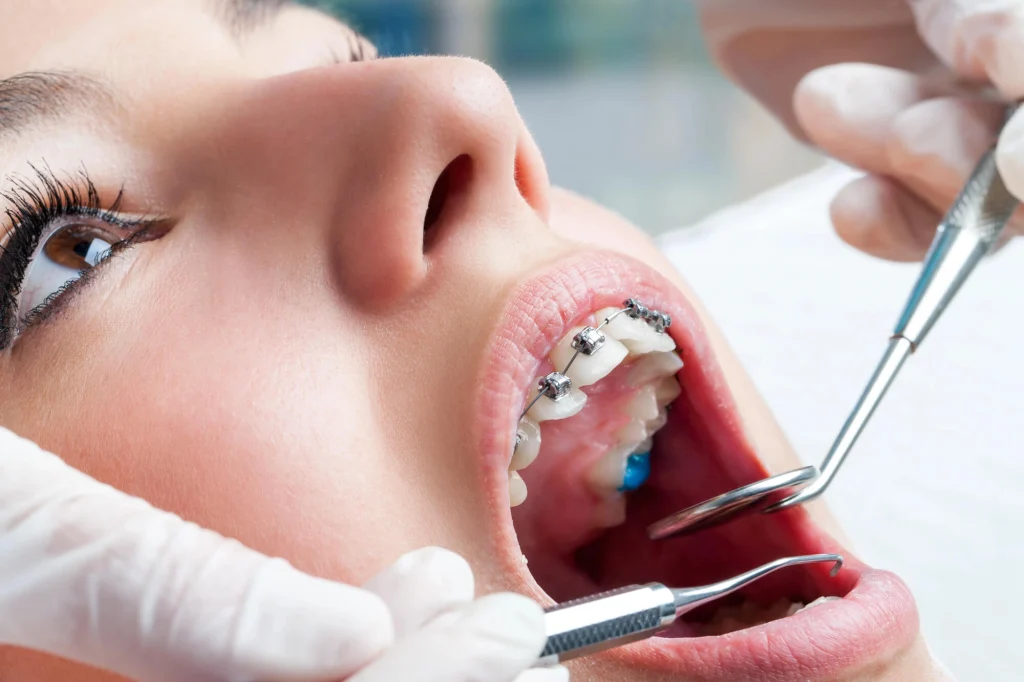
You’re Not Alone: Your Expert in Pediatric Orthodontic in Lihue Is Here to Accompany You Throughout This Journey
By the one-year mark of braces treatment, most children are well into the process—and so are their frustrations. The novelty has worn off, the soreness after adjustments is still real, and the end might not yet be in sight. It’s completely normal for motivation to dip at this stage.
But with the right support, encouragement, and perspective, you can help your child stay focused and positive throughout the journey. Remember that you’re not alone: the team at Kidshine Dental & Orthodontics is here for you and your child.
If you need help keeping them motivated, contact us today, and let’s see what we can do to address their concerns!