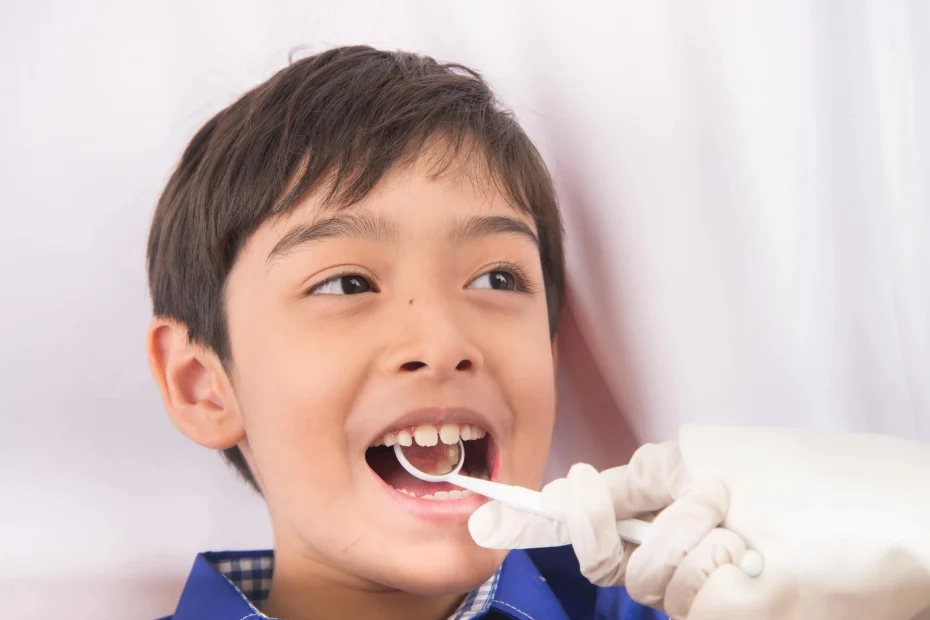
When your child undergoes oral surgery, it’s natural to feel anxious—not just about the procedure, but about what comes next. Even with the best preparation, pediatric oral surgery in Pearl City comes with risks. For this reason, a smooth and stress-free recovery depends on knowing what to expect, how to care for your child afterward, and when to seek help.
While the right oral surgeon will provide detailed recovery tips before the procedure, further understanding of common recovery tips can be reassuring. Whether your child is healing from a wisdom tooth extraction, tongue or lip tie release, orthognathic (jaw) surgery, or another procedure, this guide is your go-to source for confident at-home care.

Common Pediatric Oral Surgery Procedures (With Their Recovery Tips)
Wisdom Tooth Extraction Recovery: Keep It Clean, Calm, and Cold
Wisdom tooth extraction is one of the most common pediatric oral surgeries in adolescents. While it is typically an outpatient procedure, recovery necessitates special attention to avoid complications such as dry socket or infection.
Immediately following surgery, common symptoms include:
- Swelling for up to 3 days
- Mild to moderate discomfort
- Numbness that may last a few hours
- Difficulty opening the mouth fully
Personalized Tips After Wisdom Tooth Extraction Surgery
- Apply cold compresses to the cheeks for the first 24 hours to help reduce swelling.
- Avoid straws and carbonated drinks, as the suction can dislodge the blood clot and lead to dry socket.
- Keep soft foods on hand, such as applesauce, mashed potatoes, yogurt, and smoothies (use a spoon only).
- Encourage gentle rinsing with warm salt water after 24 hours to maintain a clean and healthy mouth.
- Watch for signs of fever, worsening pain after day 3, or a foul smell. These could signal infection and require a follow-up.

Tongue-Tie (Ankyloglossia) Surgery Recovery: Less Pain, More Practice
Tongue-tie release (frenectomy) is often performed to improve feeding, speech, and oral mobility in infants and young children. While surgical procedures involving young children are scary, there is one benefit: children tend to recover very quickly. Still, active involvement at home is key to preventing reattachment.
Some symptoms you can notice include:
- Mild bleeding for the first few hours
- Slight swelling under the tongue
- Fussiness or difficulty nursing on the first day
Personalized Tips After Tongue-Tie Surgery
- Start tongue stretching exercises as directed within 24 hours. These help keep the surgical site open and prevent healing in a restricted position.
- For infants, resume breastfeeding or bottle-feeding immediately after the procedure. It helps with healing and reduces discomfort.
- Older children may benefit from cold foods, such as popsicles or smoothies, to soothe the area.
- Make exercises fun. Use games or songs to encourage cooperation during stretches for toddlers and preschoolers.
Lip Tie Surgery Recovery: Consistency Is Everything
A lip tie involves the upper frenulum and can interfere with nursing, cause gaps between teeth, or even affect facial development. Like tongue ties, lip tie surgery (labial frenectomy) often has a quick recovery—if proper stretches are done consistently.
You can expect signs such as:
- Minor bleeding or white scar tissue forming at the site
- Temporary feeding challenges
- Irritability or poor sleep for a day or two
Personalized Tips After Lip Tie Surgery
- Perform daily stretches under the upper lip, following your oral surgeon’s schedule. These may feel uncomfortable, but they’re essential.
- Use a clean finger or silicone tool to gently lift the lip toward the nose for a few seconds several times a day.
- For babies, pair stretching with soothing techniques like skin-to-skin contact, nursing, or swaddling.
- If your child is still breastfeeding, partner with a lactation consultant post-surgery to improve latch and feeding comfort as your baby adjusts.
Orthognathic (Jaw) Surgery Recovery: Focus on Function, Nutrition, and Patience
Orthognathic surgery is a major procedure that corrects jaw misalignments. It’s typically done in older teens once jaw growth is complete and may involve both the upper and lower jaws. Recovery is more intensive and requires careful planning and support—but it is manageable with the right knowledge and guidance.
Common symptoms include:
- Swelling and facial bruising for up to 2 weeks
- Jaw stiffness and limited range of motion
- A liquid or pureed diet for several weeks
- Mood changes or fatigue during the healing process
Personalized Tips After Orthognathic Surgery
- Elevate the head during sleep to reduce swelling.
- Use a cold pack for the first 48 hours, then switch to moist heat to ease stiffness.
- Provide nutrient-rich, high-calorie liquids, such as protein shakes, soups, and smoothies, to support healing.
- Follow your surgeon’s guidance for oral hygiene—this may include a prescription rinse or a water flosser for gentle cleaning.
- If rubber bands or splints are used, help your child follow the placement schedule carefully.
Jaw Surgery for Facial Injuries: Healing with Precision
When oral surgery is performed due to trauma—such as a sports injury, fall, or accident—the recovery process depends on the severity of the fracture and whether plates or wires were placed.
Your child may experience:
- Facial swelling, bruising, and soreness
- Restricted jaw movement
- Possible use of elastics or fixation devices
Personalized Tips After Jaw Surgery
- Offer reassurance and emotional support. Trauma can leave emotional as well as physical effects.
- Adhere to the prescribed diet, which typically begins with liquids and progresses to soft foods.
- Encourage gentle facial exercises once cleared to promote flexibility and reduce scar tissue.
- Monitor for signs of infection around any incision or fixation site—redness, discharge, or fever warrant immediate attention.
When to Call the Surgeon
No matter the surgery type, seek immediate care if your child experiences:
- Excessive or persistent bleeding
- High fever (over 101°F)
- Difficulty breathing or swallowing
- Signs of allergic reaction to medication
- Pus, foul odor, or unusual discharge at the surgery site
Identifying any issues early on is crucial to protecting your child’s long-term health.

Pediatric Oral Surgery in Pearl City Is Not Easy, But You’re Not Alone
Recovering from pediatric oral surgery can feel overwhelming. With the right knowledge and support, it becomes manageable and even empowering. By tailoring your care approach to your child’s specific procedure and needs, you set the stage for faster healing, less stress, and a better overall experience.
If you’re preparing for pediatric oral surgery in Pearl City or anywhere nearby, be sure to choose a surgeon who offers not only clinical excellence but also clear aftercare guidance and open communication throughout the healing journey.
Need some extra personalized advice? The staff at KidShine Pediatric Dental & Orthodontics is here to support you. Reach out and find peace of mind before your child’s surgery!