
As a parent, you naturally want the best for your child—including a healthy, confident smile. But when an orthodontist in Pearl City mentions braces, one question immediately follows: “How long will this take?” Wanting to get a realistic timeline makes sense, but the truth is, it depends—especially on the type of malocclusion (misalignment) your child has.
To help you understand this better, here we’ll walk you through different types of bite problems and how long each typically takes to correct, based on real orthodontic case types. You’ll also discover what speeds things up—or slows them down—so you can plan confidently for your child’s orthodontic journey.
Understanding Malocclusion and Why It Matters
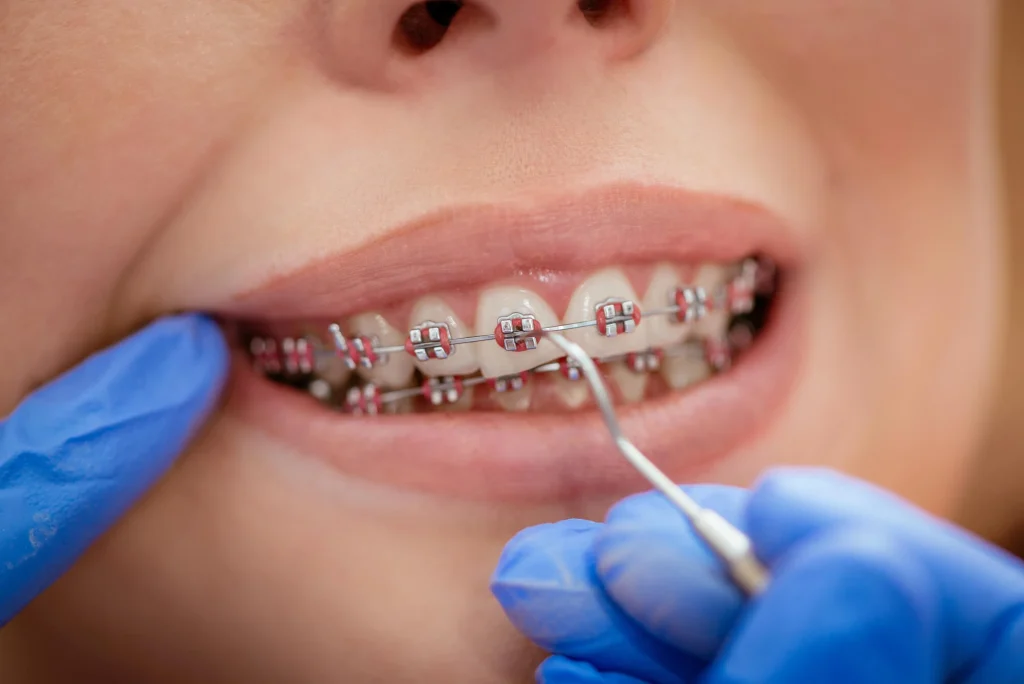
Malocclusion simply means that your child’s teeth or jaws do not align properly. Braces and other orthodontic appliances are used to gradually move teeth and jaws into a healthier, more functional position.
Different malocclusions have varying levels of complexity, which is the most important factor in determining treatment duration.
1. Mild Crowding or Spacing Issues (12–18 months)
Mild cases of crowding (where teeth overlap slightly) or spacing (small gaps between teeth) are often the quickest and simplest to treat. These issues usually affect only a few teeth and don’t involve major bite correction.
When managing it, treatment plans often involve braces or clear aligners, and no extractions are typically required. For these cases, the estimated treatment time is 12 to 18 months, provided there is good compliance and oral hygiene.
An expert tip? Early orthodontic intervention (around age 7–9) may prevent crowding from worsening, potentially reducing treatment time later.
2. Moderate to Severe Crowding (18–30 months)
Moderate to severe crowding happens when there isn’t enough space for teeth to erupt correctly. This often causes twisting, overlapping, or misaligned bites.
Braces or aligners can both be used to fix these issues, but possible extractions or the use of palatal expanders may also be necessary. If caught early, these issues may also be addressed through early intervention treatments.
The estimated treatment time ranges between 18 and 30 months, depending on the patient’s age and level of cooperation. While it may feel like too long, timely treatment can prevent jaw issues later. Delaying care can make things more complex and prolong the process, so don’t hesitate!
3. Overbite (20–30 Months)
In an overbite, or deep bite, the upper front teeth overlap the lower front teeth excessively. A deep bite can lead to tooth wear, jaw pain, or speech problems.
Often, braces with specialized appliances, such as rubber bands (elastics) or springs, are necessary for a successful realignment. Moreover, bite plates or functional appliances may also be necessary. In some cases, treatment is broken down into two phases.
The total duration of this can last 20 to 30 months, depending on growth stage and bite severity. This is because correcting an overbite often requires guidance on jaw growth, which occurs gradually—especially in younger children.
4. Underbite (30–36+ Months)
An underbite occurs when the lower jaw protrudes in front of the upper jaw. It’s one of the most complex orthodontic issues. For treatment, braces are combined with headgear or face mask appliances. Sometimes surgery is required in late teens or adulthood.
Here, early intervention is critical (age 7–9 is ideal). This poses one of the longest estimated treatment times, typically 30–36 months, often broken down into two stages.
Additionally, underbite cases often need long-term growth monitoring and possibly surgical correction if caught too late.
5. Open Bite (24–36 Months)
With an open bite, the upper and lower teeth don’t touch when the mouth is closed—usually due to thumb-sucking, tongue thrusting, or jaw growth issues. To successfully reverse this issue, treatment begins with habit correction—yes, it’s time to say goodbye to thumb sucking or tongue thrusting.
Afterwards, we can begin with the orthodontic work. Both braces and aligners can be used, alongside elastics or bite blocks. Growth-modifying appliances may also be used. The estimated treatment time is 24 to 36 months, depending on habits and jaw alignment.
The earlier you address oral habits, the faster treatment can begin—and the better the outcome.
6. Crossbite (18–30 Months)
In a crossbite, some upper teeth sit inside the lower teeth when biting down. It can affect front or back teeth, or both.
Orthodontists may recommend palatal expanders (if the upper jaw is narrow), braces or aligners, and rubber bands to align the bite.
The total treatment duration can range from 18 to 30 months, especially if treatment is initiated before the growth plates close. Correcting a crossbite early can prevent uneven jaw growth and TMJ issues later, so timing is crucial in these cases!
7. Mixed Malocclusions—Custom Timelines (24–36+ Months)
Many kids don’t have just one type of malocclusion. They may have crowding and an overbite or a crossbite with jaw size discrepancies. These “mixed” cases are common—and need highly individualized plans.
From two-phase treatments to different oral appliances, your orthodontist will craft a customized treatment plan depending on the issues impacting your child’s smile. For this reason, the duration time varies widely, but you can expect 24 to 36 months of orthodontic work, often broken into two shorter phases.
What Can Speed Up or Slow Down Treatment?
Even the best-designed treatment plan can get off track without the right support. Some factors that influence how long your child wears braces include:
Staying on Schedule
Excellent oral hygiene, wearing elastics and aligners as instructed, attending all appointments, avoiding hard or sticky foods that can break brackets, and following the dentist’s instructions properly are crucial to the smooth progression of your child’s treatment.
Common Delays
Issues such as broken brackets or wires, or not wearing appliances consistently, can delay the end of treatment. Skipping appointments, poor brushing or flossing habits, and even growth changes or late eruption of adult teeth can also impact your child’s smile.
Retention: What Happens After Braces Come Off
Your child’s orthodontic journey doesn’t end when braces are removed. The retention phase is vital to ensure that those beautifully aligned teeth stay in place.
- Removable Retainers: Often worn full-time for 3–6 months, then at night
- Permanent Retainers: Bonded behind teeth for long-term stability
Skipping retainers can cause teeth to shift—and may undo months (or years) of progress.
Still in Doubt? Find Predictability with the Right Orthodontist in Pearl City
Every child is unique, which is why orthodontic treatment should never be a one-size-fits-all approach. Understanding your child’s specific malocclusion type allows you to anticipate better what treatment will entail—and how long it will take.
At KidShine Dental & Orthodontics, we take pride in developing personalized treatment plans based on transparency, technology, and collaboration. Our goal is more than just a straighter smile; we want to help your child smile confidently and sooner.
If you’d like your child to undergo orthodontic treatment with us, please reach out!