
Once the dentist recommends orthodontics in Honolulu for your child, you have various options to follow. Gone are the days of uncomfortable and noticeable devices: today’s orthodontic tools are made of various colors, materials, and techniques.
Two main options are braces and Invisalign®, both of which are effective methods for straightening your child’s smile. The best choice for them depends on personal preferences and the complexity of your child’s malocclusion.
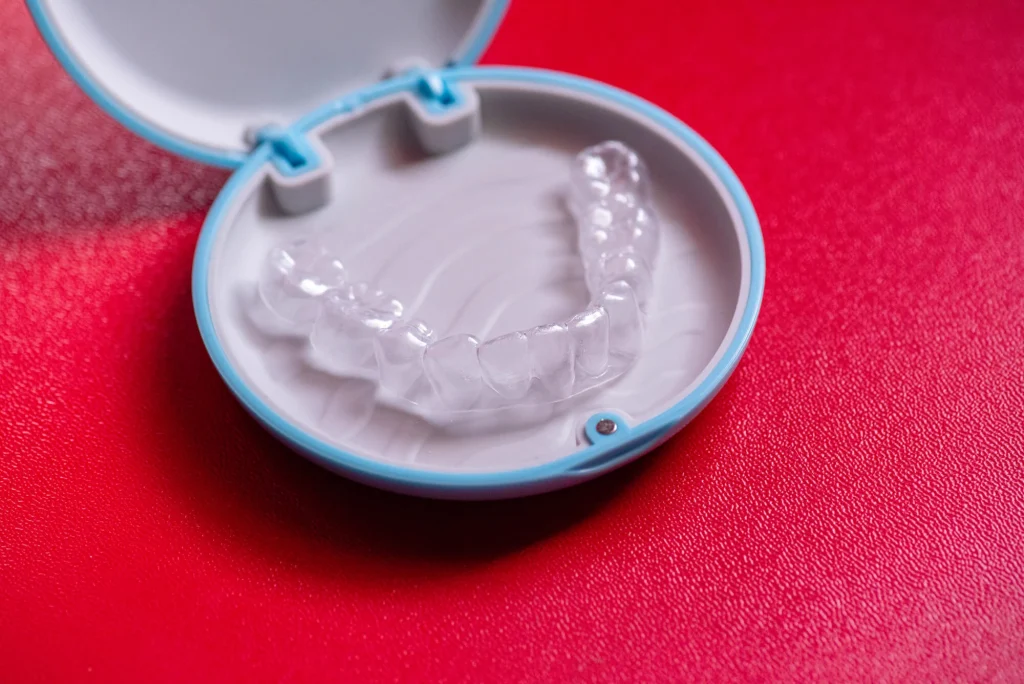
When Invisalign Is Better
Invisalign uses a series of clear, removable aligners that gradually shift your child’s teeth into their proper position. Each set of aligners is custom-made for their smile and worn for about 1–2 weeks before moving on to the next stage.
These trays work by exerting subtle pressure on teeth, slowly positioning them in the right place. Benefits include comfortable and removable trays, nearly invisible trays, simple eating and cleaning, and shorter treatment time in some cases.
Invisalign is ideal for:
1. Mild to Moderate Orthodontic Issues
Invisalign is generally best suited for mild to moderate cases of crooked teeth, spacing issues, or minor bite problems. If your child has a small gap between teeth, mild crowding, or a slight overbite or underbite, Invisalign can be a great solution.
2. Appearance Matters to Your Child
Many children—especially preteens and teens—can feel self-conscious about wearing metal braces. Invisalign clear aligners are made from clear plastic and are almost invisible when worn. They can help a child get the straighter smile they need without impacting their confidence during school or social activities.
3. Fewer Food Restrictions
Traditional braces come with a long list of foods to avoid, such as popcorn, gum, sticky candy, and hard fruits. With Invisalign, the aligners can be removed before eating, so your child can continue to eat their favorite foods without worry.
Of course, avoiding acidic and overly sugary foods and drinks is still necessary to prevent tooth decay or gum disease.
4. Easier Oral Hygiene
Brushing and flossing around metal brackets and wires can be difficult, increasing the risk of plaque buildup and cavities. Since Invisalign aligners are removable, your child can brush and floss normally, promoting better long-term oral health.
5. Comfort and Fewer Emergencies
Invisalign is generally more comfortable than braces. The aligners are smooth and less likely to irritate the inside of the mouth. Additionally, there are no wires or brackets to break, so accidents and emergency visits to the orthodontist are less common.
6. Your Child Can Follow Instructions Well
Invisalign only works if worn 20–22 hours daily, and your child must put them back in after eating or brushing. If your child is responsible, follows instructions well, and is motivated to keep up with the treatment plan, Invisalign can be an excellent option.
Clear aligners may not be the best option if they don’t seem willing to commit or aren’t very responsible.
When Braces Are Better
Braces work by applying continuous, gentle pressure to teeth over time, gradually moving them into better alignment. They’re one of the most effective orthodontic treatments for correcting crooked teeth, bite problems, and jaw alignment issues.
Over time, the orthodontist tightens or adjusts the wire to keep guiding teeth into the correct position. Braces can correct complex dental and jaw problems (including severe crowding, crossbites, and open bites).
They provide precise control over tooth movement, and results are long-lasting with proper retainer use.
1. Complex or Severe Orthodontic Issues
Braces are often better when your child has more severe alignment problems, such as significant crowding, a pronounced overbite or underbite, or jaw misalignment.
Unlike Invisalign, braces provide stronger control and more precise tooth movement, which is sometimes necessary for complex cases.
2. Younger Children or Early Intervention
Younger children (typically under 12) may require Phase I treatment.
Phase I treatment, also called early interceptive orthodontics, is an early form of orthodontic intervention, usually for children between the ages of 6 and 10. At this age, children still have a mix of baby (primary) and adult (permanent) teeth.
Phase I treatment is not the same as full braces. The goal isn’t to perfectly straighten every tooth but to guide jaw growth, correct developing bite problems, and prevent more serious orthodontic issues later.
In these cases, braces are usually recommended. Invisalign is generally not approved for younger kids with baby teeth or mixed dentition (both baby and adult teeth).
3. Less Responsibility Required
Braces are fixed to the teeth, so your child doesn’t have the option to take them out (or forget to put them back in). This makes braces ideal for children who struggle to wear aligners or consistently keep track of them.
4. Potentially Shorter Treatment for Some
While Invisalign treatment time has improved over the years, traditional braces can still be faster in some complex cases. Since orthodontists can make regular adjustments with braces, they often achieve desired results more predictably.
5. Cost Considerations
Depending on the case and location, braces can sometimes be less expensive than Invisalign. Additionally, some insurance plans cover a higher portion of traditional braces than aligner treatment.
What to Consider as a Parent
Choosing between Invisalign and braces isn’t a one-size-fits-all decision. Some crucial questions you can ask yourself and your child include:
- How severe are the dental issues?
- How old is your child, and are they responsible enough for aligners?
- How important is appearance to your child during treatment?
- What’s your budget or insurance coverage like?
- Is your child involved in sports or activities where braces could be uncomfortable or risky?
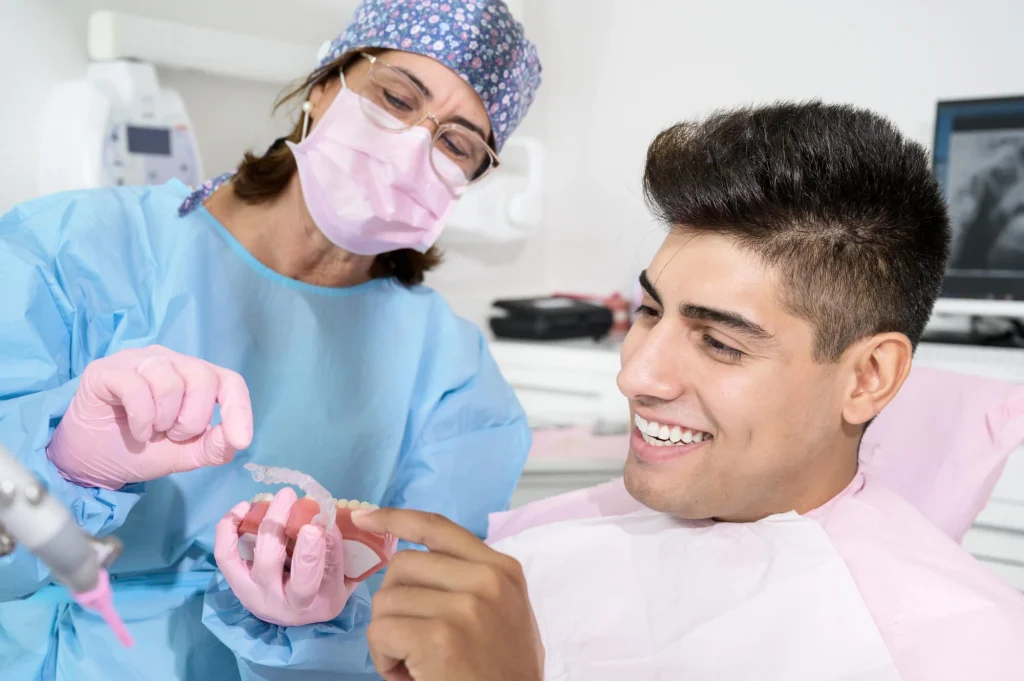
Ultimately, the decision should be made after a consultation with your child’s orthodontist. We can assess your child’s teeth, bite, and jaw and recommend the most effective treatment plan.
Find the Ideal Treatment for Orthodontics in Honolulu
When it comes to straightening a child’s teeth, parents often face an important decision: should their child get Invisalign or traditional braces? Both treatment options aim to improve alignment, correct bite issues, and enhance overall dental health.
However, depending on the complexity of the case, they differ significantly in how they work, their visibility, comfort, and suitability. By weighing the pros and cons and getting expert input at KidShine Pediatric & Orthodontics, you can feel confident in making the best decision for your child’s long-term dental health. Contact us today to schedule a personalized assessment!
*Invisalign®, the Invisalign logo, and iTero®, among others, are trademarks and/ or service marks of Align Technology, Inc. or one of its subsidiaries or affiliated companies and may be registered in the U.S. and/or other countries.