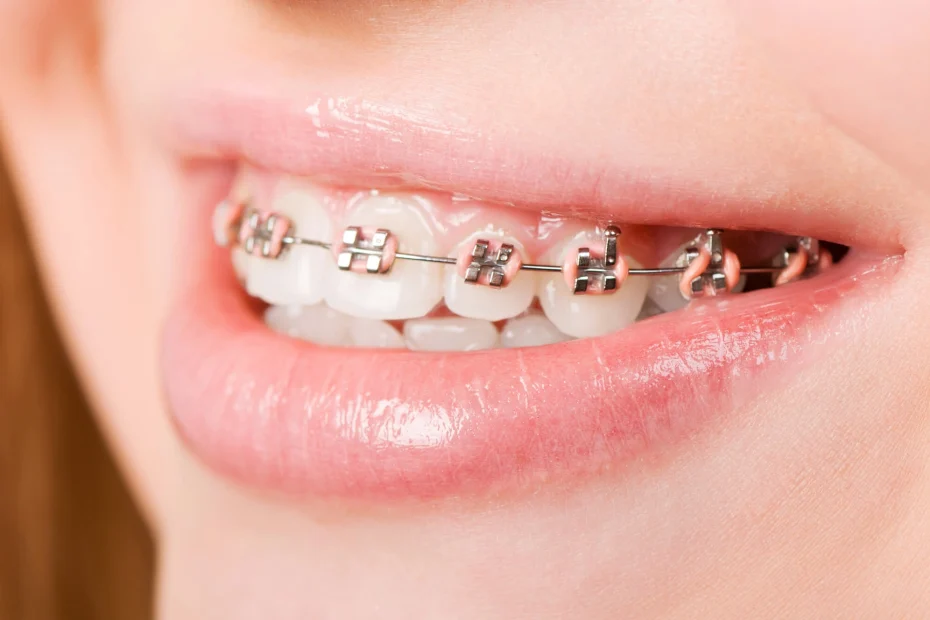
Orthodontic treatment is an important step toward a healthy, beautiful smile. However, it’s not always comfortable. Braces are big, metal appliances that can feel bulky and even painful for your child, especially after adjustments with the orthodontist in Kapolei.
As a parent, it can be tough to see your child in pain. The good news is that there are many simple and effective ways to ease their discomfort and continue supporting them through their braces journey.
Why Are Braces Adjustments Necessary?
Braces move teeth using continuous, gentle pressure. It’s important to only apply subtle pressure, as any extreme movement can cause irreparable damage to your child’s jawbone. Not to mention it being incredibly painful!
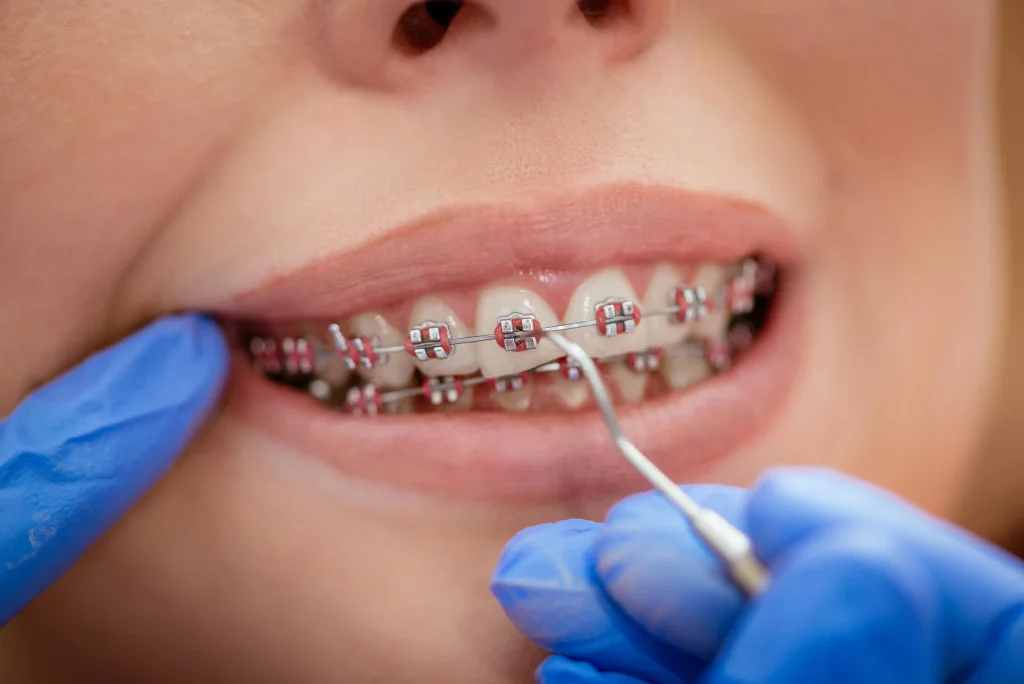
This means orthodontists can’t simply configure an entire braces treatment the day of placing them. Adjustments are necessary to subtly guide their teeth into the correct position over time. Each of these changes increases or redirects pressure to help move teeth in the right direction. Without regular adjustments, braces wouldn’t be able to do their job effectively.
During adjustments, orthodontists may also replace worn-down small parts, like rubber bands, wires, springs, and ligatures. Additionally, every mouth is different, and teeth don’t always move exactly as expected. Adjustments allow the orthodontist to:
- Monitor how teeth are responding
- Spot issues like slow movement or shifting patterns
- Make necessary changes to stay on track with the treatment plan
This step-by-step approach ensures optimal results and can even shorten the process.
How to Soothe Your Child After a Braces Adjustment
As you can see, brace adjustments are a key part of orthodontic treatment. That doesn’t mean it’s easy to see your child bear with discomfort, especially if they’re very young.
Some things you can do to make this process easier for them include:
1. Offer Soft, Comforting Foods
After a braces adjustment, it can be uncomfortable to bite and chew. Make sure to have some easy-to-eat, soft foods ready for the first few days afterwards. Some great options include:
- Mashed potatoes
- Smoothies
- Yogurt
- Soup
- Scrambled eggs
- Applesauce
- Oatmeal
- Pasta
Tip: Avoid sticky, crunchy, or hard foods such as popcorn, chips, nuts, or chewy candy, as these can exacerbate pain or harm the braces.
2. Use Over-the-Counter Pain Relief (Responsibly)
Most orthodontists advise taking an over-the-counter pain medication, particularly during the first 24 to 48 hours following an adjustment, to manage discomfort. Ibuprofen (Advil, Motrin) and acetaminophen (Tylenol) are both child-safe options that can lessen pain and inflammation.
Tip: Pay close attention to the indications on the product’s label and make sure the dosage is appropriate for your child’s age and weight. If your child has any allergies or medical conditions, talk to your pediatrician or dentist first.
3. Apply a Cold Compress
You can help reduce inflammation and swelling by giving your child a cold washcloth or an ice pack to press to the outside of their jaw or mouth for 10 to 15 minutes at a time. The cold temporarily numbs the area and reduces inflammation.
Another option is letting them drink ice water or suck on ice chips.
Tip: Make sure they don’t chew the ice, as it could damage the braces.
4. Use Orthodontic Wax to Prevent Sores
Brackets and wires can rub against the inside of the cheeks and lips, especially after an adjustment when the mouth may be more sensitive. Orthodontic wax is available at most pharmacies or can be provided by your orthodontist. You can apply it to any part of the braces that’s irritating these soft tissues.
Tip: To use the orthodontic wax, have your child dry the bracket or wire first. Then, roll a small ball of wax and press it gently onto the sharp area.
5. Encourage Gentle Oral Hygiene
Even when the mouth is sore, it’s important to keep the teeth and braces clean. Encourage your child to brush and floss gently but thoroughly. A soft-bristled toothbrush or an orthodontic brush designed for braces can make the process more comfortable.
Tip: A warm saltwater rinse (1/2 teaspoon of salt dissolved in a cup of warm water) can also soothe irritated gums and reduce swelling.
6. Distract and Comfort
When you’re focused on pain, it usually feels worse. Doing soothing and fun activities with your child can help them forget about their discomfort and replace it with laughter. Some options include:
- Watch your favorite show or film together.
- Read a book or listen to an audiobook
- Play a board game
Tip: Be understanding if they’re not up to the task. Sometimes, pain can lead to physical exhaustion, so it’s important to adapt to their energy levels.
7. Talk and Reassure
The emotional toll of braces can be just as difficult as their physical side effects. Reassure your child that the pain is temporary and usually subsides in two to four days.
Additionally, remind them that, while their braces are uncomfortable, each adjustment means they’re a step closer to their final goal.
Tip: Validating their feelings and staying patient helps them feel like they’re not alone and motivates them to continue their orthodontic treatment.
8. Know When to Call the Orthodontist
Although mild to moderate discomfort is common after an orthodontic visit, get in touch with your dental professional if:
- The pain is excruciating and doesn’t go away even after several days
- Discomfort has been so severe that they haven’t been able to eat.
- There is a wire piercing the cheek or gums.
- Brackets or bands are loose or broken.
- Sores or ulcers appear and worsen over time.
Tip: Orthodontists expect occasional concerns and will be happy to help resolve issues quickly. So don’t be afraid to give us a call!
Follow These Tips from Your Orthodontist in Kapolei and Help Your Child Be Closer to a Straighter Smile!
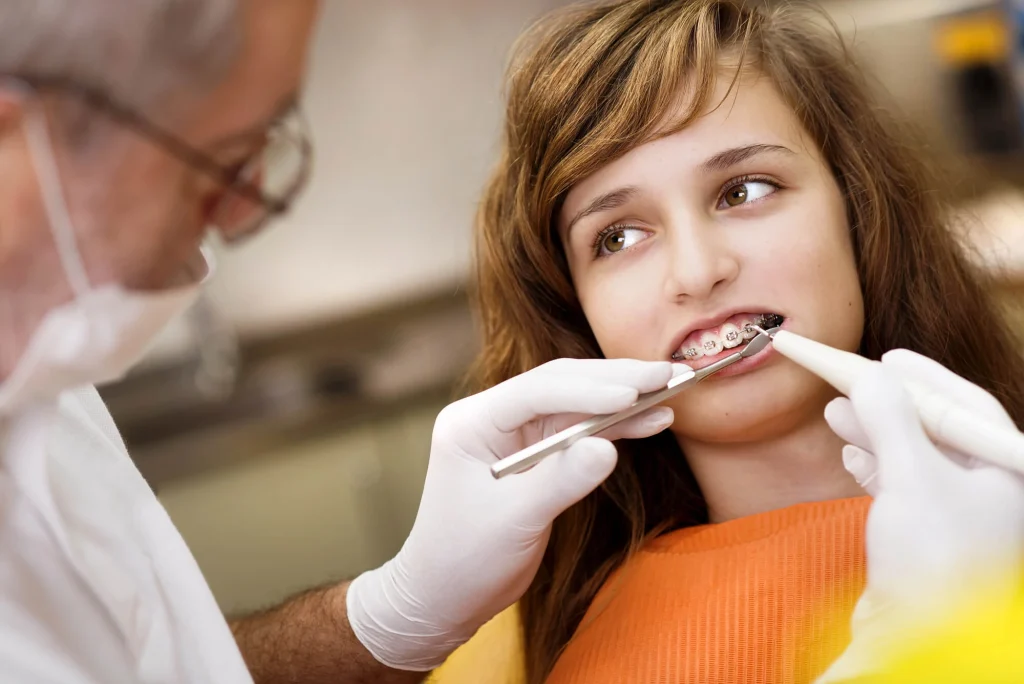
After a braces adjustment, it’s common for children to experience soreness in their teeth, jaw, or even the cheeks and gums. Luckily, with practical pain relief strategies, a soft diet, and lots of emotional support, you can help your child manage their discomfort and keep their treatment on track.
Remember: each adjustment brings them one step closer to a confident, healthy smile—and your support makes all the difference. If you suspect the discomfort goes beyond normal levels, don’t hesitate to contact KidShine Dental & Orthodontics!