
As a parent, worrying about your child’s health is normal, and complete sedation can be scary, no matter the age. However, suppose they have severe pain or a serious infection and need to undergo oral surgery for kids in Pearl City. In that case, chances are high that your child can benefit from going under general anesthesia or sedation.
Sedation ensures your children lie completely still during their oral surgery, allowing the surgeon to work in such a delicate area while ensuring they’re pain-free every step. Nevertheless, options like IV sedation should only be used in extreme cases, and understanding when it calls for it can save you both stress and costs.
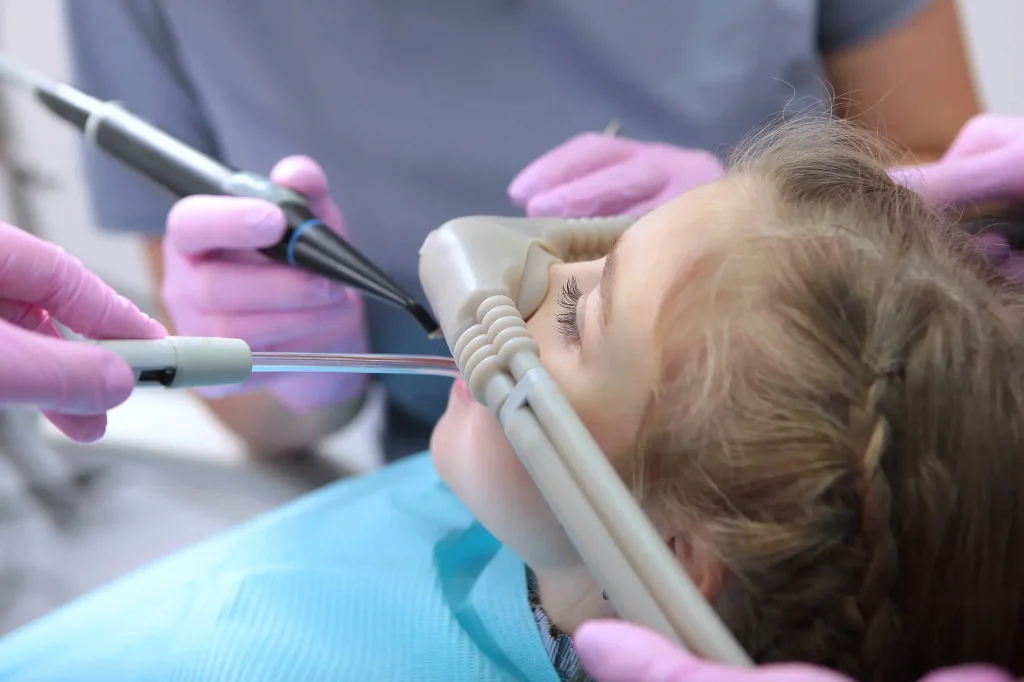
Is Sedation Dentistry for Children Safe?
Sedation dentistry uses medications to help patients relax before or during dental procedures. Pediatric dentists may suggest sedation as a safe and efficient solution if your child has special needs, dental anxiety, or is undergoing a lengthy procedure.
There are various levels of dental sedation, and simpler options can often be used for preventative procedures to ensure patients feel no discomfort. However, deeper levels of sedation need to be explored for more extensive work.
There are three main levels of sedation in dentistry:
- Nitrous Oxide: Also referred to as “laughing gas,” this is the least intrusive and mildest sedative. Kids inhale this with a small amount of oxygen. Most will get relaxed, a little silly, and lightheaded, but they cannot fall asleep and follow instructions.
- Oral Sedation: For a higher level of relaxation, your dentist can prescribe medications that must be taken before the dental appointment. Your child will be calm and awake, and they may be able to do what the dentist or surgeon requests. After the procedure, they may not remember anything about the dental visit.
- Deep Sedation: This entails administering intravenous (IV) medications to assist your child in sleeping through the procedure. Until your child awakens, at least one other qualified professional, like an anesthesiologist, must monitor your child. This professional can also assess when your child is ready to return home.
How Safe is Anesthesia or Sedation in Dental Procedures for Children?
The American Academy of Pediatrics (AAP) and the American Academy of Pediatric Dentistry (AAPD) revised the current guidelines for oral surgeons and dentists to follow when giving children general anesthesia or deep sedation in 2019.
At least two individuals qualified to administer advanced life support must always be present in the room in case of an emergency. One will be an impartial observer, and the other will be the dentist or oral surgeon performing the procedure.
This impartial observer must be “a dentist, an anesthesiologist, a second oral surgeon, a certified registered nurse anesthetist, or a physician anesthesiologist.”
They will monitor your child’s blood pressure, oxygen saturation (breathing), heart rate, and heart rhythm.
When Is Deep Sedation Necessary?
Deep sedation in pediatric oral surgery is typically necessary for procedures that are particularly invasive, lengthy, or distressing for young patients, especially those who cannot cooperate fully due to age, anxiety, developmental stage, or medical conditions.
Common oral surgery procedures in children that may require deep sedation include:
- Multiple or Complex Tooth Extractions
Tooth extractions may be necessary when preparing for orthodontic treatment or if a child’s permanent tooth has become impacted. While most extractions can be performed with simple oral sedation, deep sedation may be better when several teeth need to be removed at once.
By removing overcrowded or troublesome primary teeth, dentists can make space to resolve crowding and allow permanent teeth to emerge without trouble.
- Surgical Exposure of Impacted Teeth
Where permanent teeth are not erupting properly, dentists perform a surgical uncovering.
An impacted tooth is one that:
- Fails to erupt into the dental arch on its own
- Remains stuck under the gum and/or bone
- Often occurs due to crowding, genetic factors, or abnormal eruption paths
Surgical uncovering (or exposure) is a minor oral surgery that removes the overlying gum tissue and sometimes a small amount of bone to expose the tooth’s crown. If needed, the orthodontist can bond a bracket or gold chain to the tooth to help guide it into its proper place using braces or aligners.
- Frenectomy
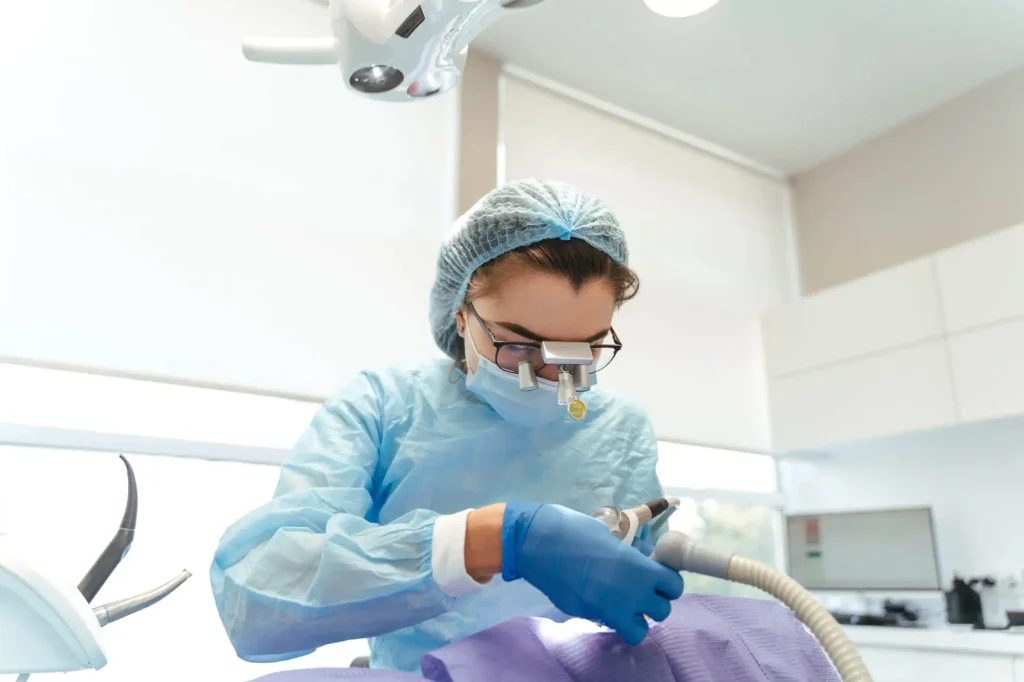
A frenectomy is oral surgery to remove a frenulum, a small band of connecting tissue in the mouth. Frenectomy is a common procedure to treat a tongue-tie or lip-tie. While minor, deep sedation may be used for very young or anxious children to ensure immobility and safety.
- Treatment of Dental Abscesses
When surgical drainage or extraction is needed, sedation can help manage pain and infection in uncooperative children.
- Soft Tissue Surgeries
Certain surgeries, such as biopsies, cyst removal, or removal of supernumerary (extra) teeth that affect development or eruption, require deep sedation to avoid discomfort.
- Pre-Prosthetic Surgery
Surgeries like bone contouring or grafting help children with congenital anomalies prepare them for pediatric dentures. During these procedures, deep sedation is a must.
- Pediatric Patients with Special Health Care Needs
Children with cognitive, behavioral, or physical disabilities who cannot tolerate procedures under local anesthesia or minimal sedation may need deeper levels of sedation to receive treatment successfully.
What Does Your Dentist Consider Before Utilizing Deep Sedation?
Dentists and oral surgeons consider various factors before deciding the level of sedation to utilize in a surgery. The AAPD emphasizes the importance of crafting individualized sedation plans, approaching each situation as a unique case.
Some factors that influence the use of oral sedation in children include:
- Weight and age
- Pre-existing health conditions, particularly neurological or respiratory
- Medication interactions
- Fasting status before the procedure
- The dental office’s emergency readiness

Know What to Expect From Your Oral Surgery for Kids in Pearl City
One effective way to help young patients relax is through sedation. Oral and IV sedation allows your child to be completely asleep and pain-free during the procedure, but it is only reserved for complex procedures like oral surgeries.
Specially trained anesthetists (physicians, dentists, or certified nurse anesthetists) will monitor your child during the entire procedure and make sure they are always safe. If you’d like to learn more about our safety measures before your child’s oral surgery, give Kidshine Pediatric Dentistry a call!